
Denise's AML diagnosis in EastEnders shines a spotlight on the symptoms of leukaemia
As viewers of EastEnders follow Denise Fox's latest health storyline, many will be searching for answers about acute myeloid leukaemia (AML), the aggressive blood cancer she has been diagnosed with.
Acute myeloid leukaemia (AML) - 25 May 2026 - Leukaemia Care

For some, Denise's experience may feel frightening. For others, it could raise important questions about symptoms they or someone they love have been experiencing.
At Leukaemia Care, we know awareness saves lives. Every year, around 10,000 people in the UK are diagnosed with leukaemia – that's around 28 people every day. Yet awareness of the symptoms remains incredibly low, meaning many people do not seek medical advice until their condition becomes more serious.
Storylines like Denise's have the power to change that.
What is acute myeloid leukaemia (AML)?
Acute myeloid leukaemia (AML) is a type of blood cancer that affects the bone marrow, where blood cells are made.
The word "acute" means it develops quickly and usually requires treatment soon after diagnosis. AML occurs when immature white blood cells grow uncontrollably, preventing healthy blood cells from developing normally.
AML can affect people of any age, although it is more common in older adults.
Many people diagnosed with AML describe feeling shocked because the symptoms can appear suddenly or be mistaken for less serious conditions.
You can find out more in our information section about AML (click here)
Denise's diagnosis highlights the importance of Spot Leukaemia
One of the biggest challenges with leukaemia is that its symptoms are often difficult to recognise.
They can be vague, easy to dismiss and very similar to symptoms caused by everyday illnesses, stress or fatigue.
That's why Leukaemia Care launched the Spot Leukaemia campaign, which aims to increase awareness of the most common warning signs and encourage people to seek medical advice earlier.
Research conducted by Leukaemia Care found that more than half of people with leukaemia waited over a month before visiting their GP after first noticing symptoms. More than 1 in 10 were initially treated for another condition before receiving the correct diagnosis.
Even more concerning, fewer than 1 in 200 UK adults can identify the four most common symptoms of leukaemia.
Our message is simple: know the symptoms and ask for a blood test if something doesn't feel right.
What are the symptoms of AML and other forms of leukaemia?
AML can develop rapidly, but many of its symptoms are shared by other forms of leukaemia.
Through our Spot Leukaemia campaign, we encourage everyone to remember four key warning signs.
- Persistent fatigue
This is not ordinary tiredness.
People with leukaemia often describe overwhelming exhaustion that does not improve with rest and makes everyday activities more difficult.
You may feel physically drained even after a full night's sleep.
- Unusual bruising
Bruises may appear without any obvious injury.
You might notice more bruises than usual or bruises that take longer to heal.
- Bleeding
Leukaemia can affect the body's ability to clot blood properly.
Symptoms may include:
- Frequent nosebleeds
- Bleeding gums
- Heavier periods
- Cuts that take longer to stop bleeding
- Repeated infections
Some people notice they seem to catch every illness going around.
Others find infections take longer than expected to clear up.
This happens because leukaemia can affect the body's ability to fight infection effectively.
Other symptoms of leukaemia
People with leukaemia may also experience:
- Night sweats
- Shortness of breath
- Pale skin
- Bone or joint pain
- Unexplained weight loss
- Swollen lymph nodes
Not everyone experiences the same symptoms. Some people only notice one or two warning signs before diagnosis.
Why are blood cancer symptoms often overlooked?
The symptoms of leukaemia can easily be mistaken for more common conditions.
Persistent fatigue may be blamed on work, caring responsibilities or poor sleep.
Repeated infections can feel like bad luck.
Bruising may be dismissed as accidental.
Because the symptoms often develop gradually, many people do not realise there could be an underlying cause.
This is one reason why awareness campaigns like Spot Leukaemia are so important. Recognising a pattern of symptoms can prompt someone to seek medical advice sooner.
Can a blood test detect leukaemia?
In many cases, a simple blood test is the first step towards diagnosis.
A full blood count measures the number of different blood cells in your bloodstream. Abnormal results can indicate that further investigation is needed.
Many people diagnosed with leukaemia first discovered something was wrong after having routine blood tests.
If you are experiencing persistent fatigue, unusual bruising, bleeding or repeated infections, speak to your GP and discuss whether a blood test may be appropriate.
Why early diagnosis matters
Early diagnosis can make a significant difference.
The earlier leukaemia is identified, the sooner treatment can begin and the more options may be available.
Unfortunately, around 1 in 3 leukaemia diagnoses in the UK happen through emergency presentation, such as attendance at A&E. This is higher than for many other cancers and is associated with poorer outcomes.
Raising awareness of symptoms helps more people seek help before they reach a crisis point.
That is why we continue to campaign for earlier diagnosis and better awareness of blood cancer symptoms.
How television storylines can save lives
Soap storylines have a unique ability to bring health conversations into homes across the country.
Millions of viewers watch EastEnders every week. When a much-loved character receives a diagnosis, audiences naturally want to understand what it means.
For some viewers, Denise's diagnosis may encourage them to recognise symptoms in themselves or a family member for the first time.
At Leukaemia Care, we regularly see increases in people seeking information after major media coverage about blood cancer. Greater awareness leads to more conversations, more symptom recognition and, ultimately, more people seeking medical advice.
Support after a leukaemia diagnosis
A leukaemia diagnosis can turn life upside down.
Many people feel frightened, overwhelmed and unsure where to turn next.
We are here to help.
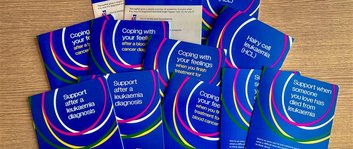
For more than 50 years, Leukaemia Care has supported anyone affected by leukaemia and related blood cancers through information, practical support, emotional support and advocacy.
Whether you have recently been diagnosed, are supporting a loved one or are worried about symptoms, you do not have to face it alone.
Our services include:
- Nurse-led support
- Hospital-based Patient Navigators
- Welfare advice
- Advocacy support
- Counselling grants
- Peer support buddies
- Support groups
- Trusted patient information
Last year alone, hundreds of people accessed our counselling, advocacy and welfare services, while more than 900 people received support through our Patient Navigator programme.
Need help understanding this information?
Our support team is here to answer your questions and provide guidance.
Contact Support